Selecting the right queen-size sheets may seem straightforward until you look at dozens of options online, all claiming to offer the same comfort as hotels. However, as it turns out, fitting, fabric, and weaving count – and one mistake about any of those aspects will leave you sleeping under untidy sheets and a fitted one that keeps moving around. Read on to find out more about this subject.
Key Takeaways
- Queen bed sheets for a queen-size bed have dimensions of 60″ x80″. Today’s mattress thicknesses range from 10″ to 16″ (and even more), so when purchasing sheets, it is important to consider the pocket depth.
- Material is responsible for providing comfort. Different materials have varying properties in terms of breathability, softness, and durability. Each material suits different people: those who have sensitive skin, hot sleepers, and environmentalists.
- The usual queen-sized bed sheet set comes in 4 items, namely the fitted sheet, flat sheet, and two pillow cases. Purchasing separate sheets is better if you just want to change one item or combine different colors and designs.
- Fit tips to avoid exchanges: Fitted sheets come loose at corners? Determine your mattress height, including the thickness of any topper, and search for sheets with deep pockets 2 to 3 inches deeper than the mattress height.
- Appropriate treatment ensures longevity: Sheets should be washed every 1-2 weeks at a temperature between cool to warm, and the heat setting on your dryer should not be too high, particularly when dealing with bamboo and linen.
What Size Sheets Do You Need for a Queen Size Bed?
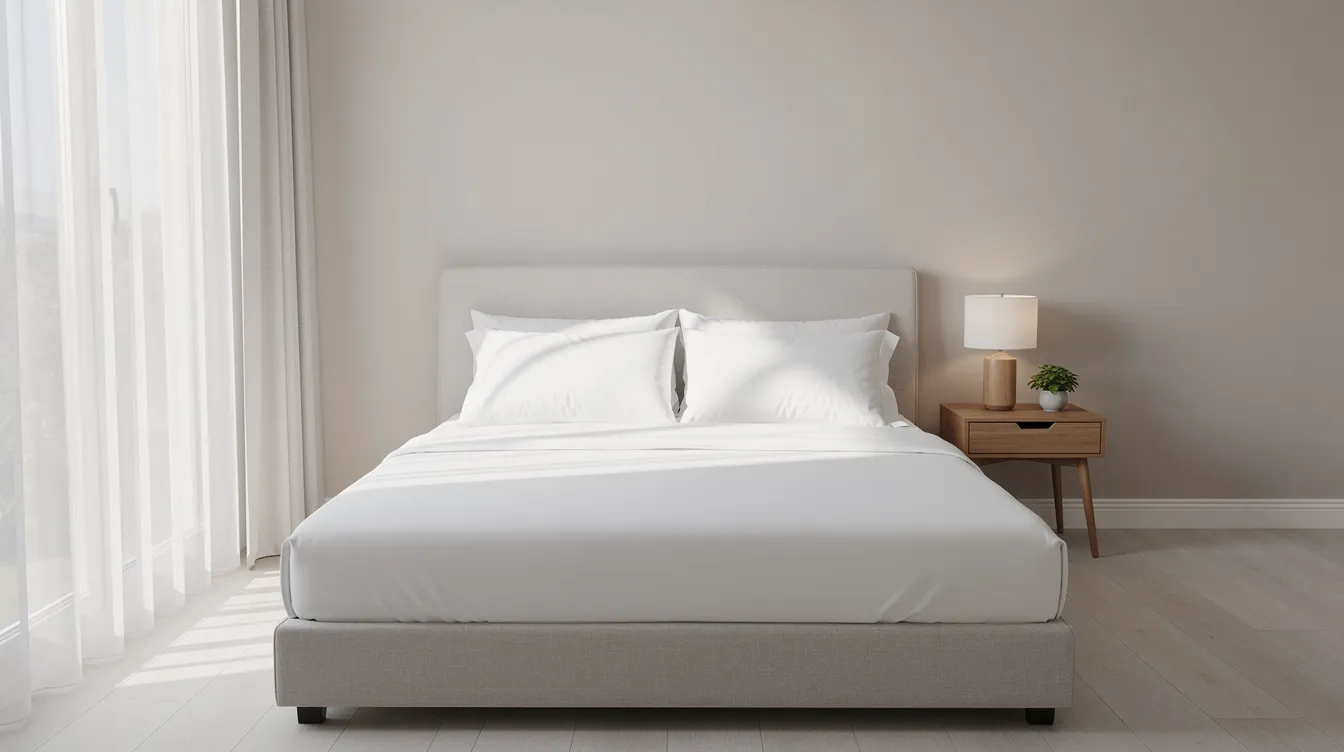
A standard queen-size bed in North America measures 60 inches wide by 80 inches long. Queen bed sheets are cut to match this footprint, but there’s more to sizing than length and width – mattress depth is where most shoppers run into trouble.
Here are the typical dimensions you’ll find in a queen sheet set:
| Component | Typical Dimensions |
|---|---|
| Fitted sheet | Fits 60″ × 80″ mattress + stated pocket depth |
| Flat sheet | Approx. 90″ × 102″ |
| Standard pillowcase | Approx. 20″ × 30″ |
Understanding pocket depth
Pocket depth refers to how far the fitted sheet’s corners extend to grip the mattress. This is the single biggest reason fitted sheets slip off in the middle of the night.
- Standard pocket (7″–14″): Works for traditional innerspring or thin foam mattresses up to about 12″ thick.
- Deep pocket (14″–18″): Designed for memory foam, hybrid, or pillow-top mattresses between 12″ and 15″ deep – or a standard mattress plus a thin topper.
- Extra-deep pocket (18″–22″): Built for thick luxury mattresses or any setup exceeding 16″ when you add a mattress topper on top.
A good rule: choose a pocket depth that exceeds your mattress height by 2–3 inches. A 13″ foam mattress, for example, pairs best with a fitted sheet offering 15″–16″ pockets so the elastic can actually grip.
Queen-size variations
Not all queen mattresses conform to this particular standard. An Olympic queen mattress will have dimensions of 66″ x 80″ (with 6 inches more width), while a California queen bed has dimensions of 60″ x 84″ (with 4 inches of additional length). Sheets available for the standard queen size will not fit these beds.
It is important to read through the product page or label to know the actual sizes, especially in online shopping, since vague specifications such as “queen” or “deep pocket” are among the most common reasons why orders come back.
Types of Queen-Size Sheets by Material
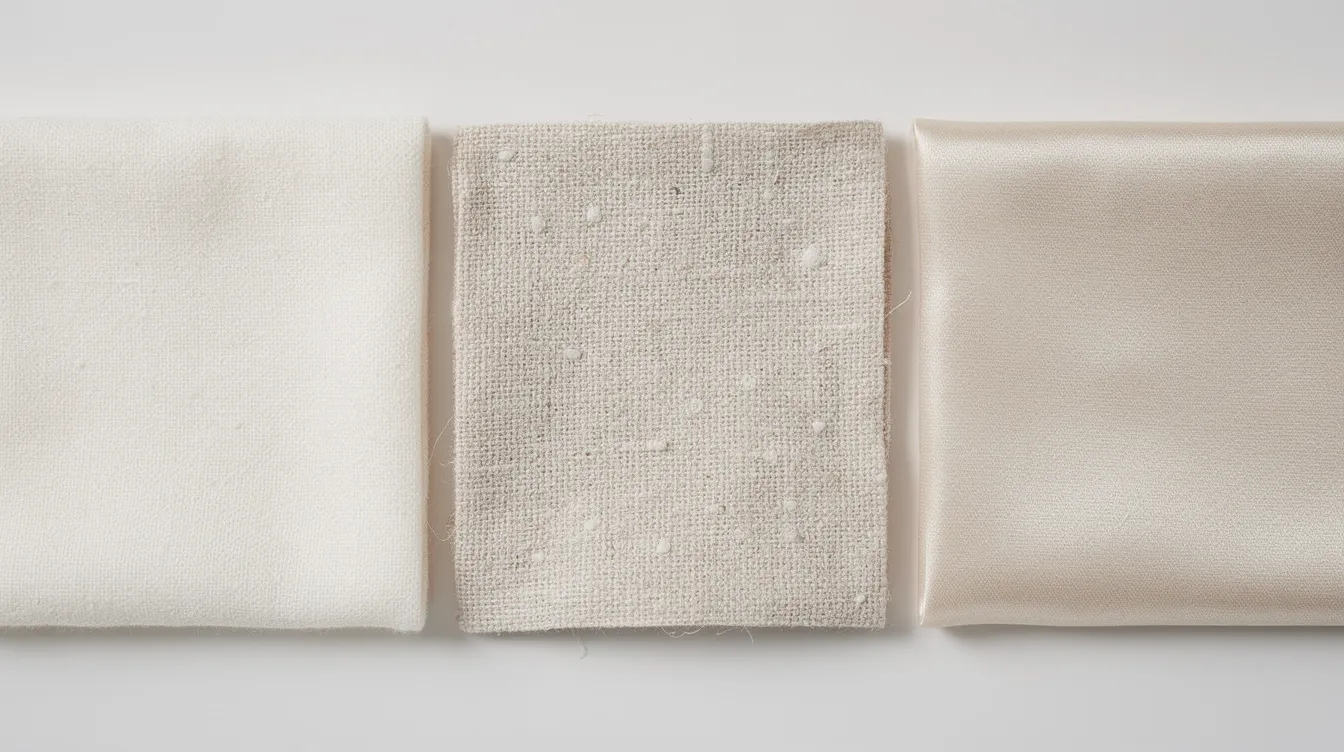
Fabric choice is the biggest factor that determines how your bed sheets feel, breathe, hold up over time, and how much they cost. Here’s how the most common materials compare for queen bed sheets.
Cotton (Egyptian, Supima, Pima, Organic)
Cotton is the most used fabric for bed sheets, and it’s no wonder why. It is breathable and strong, and it becomes softer each time you wash it. However, it all comes down to the length of fibers used. A length of more than 1.25 inches creates stronger threads that do not pill and are 32% more durable than shorter ones. Both Egyptian cotton and Supima have extra-long fibers and stand out for their high quality and comfort. Organic cotton is grown without the use of any pesticides or chemicals.
Bamboo (Rayon/Viscose and Lyocell)
Bamboo sheets usually refer to bamboo rayon or viscose. These use harsh chemical solvents during the process, so make sure your choice is OEKO-TEX certified for chemical safety. Bamboo viscose gives you a silk-like touch and high moisture-wicking properties – perfect for sweaty sleepers. However, its wet strength is low, and pilling can occur after several washes. In a test involving 12 different sets of bamboo sheets, most of the viscose sheets had already begun pilling after 20 washes.
Linen
Since it’s made from flax, linen fabric is naturally textured and highly breathable, making it highly recommended for hot weather. It creases easily and may be somewhat coarse to the touch when it’s new, but it becomes softer with each wash. Its quality is more about its GSM (about 170–190 g/m²) than the thread count. More expensive than cotton, but durable enough for many years of use.
TENCEL™ Lyocell
This product, made from wood pulp (mostly derived from eucalyptus trees) in an environmentally friendly manner, is processed with non-toxic chemicals. The resulting fabric is smooth, soft, and highly moisture-absorbent. This means it lacks the synthetic texture while offering all the characteristics required of fine fabrics.
Microfiber and Synthetic Blends
If price is your priority, go for microfiber or polyester/cotton blends that give you wrinkle-free clothes with easy maintenance at an affordable cost. These fabrics dry quickly and are stain-resistant. They lack breathability and hold heat.
Bedding recommendations for Sleepers
• Hot Sleepers – Cotton Percale Sheets, Bamboo Lyocell Sheets, TENCEL™, Linen Sheets
• People with Sensitive Skin – Organic Cotton Bedsheets, TENCEL™ Sheets, OEKO-TEX Sheets
• Frugal consumers – microfiber or polyester blends sheets, cotton
• Environmentally concerned consumers – TENCEL™ Lyocell, linen, organic cotton that is GOTS-certified
Weaving, Thread Counts, and the Impact on Feel
A single type of cotton fiber can have totally different sensations based on its weaving process. The thread count is emphasized by everyone, but it is the type of weave that makes your sheets soft and smooth or cool and crisp.
Percale
Percale is made up of an over-under plain weave and results in a dull surface finish – just imagine what an old-fashioned button-down looks like. Percale allows air to flow through very easily, hence its ideal suitability in hot weather. The recommended thread count for high-quality percale is 200 to 300. A higher thread count means the percale is less breathable.
Sateen
It has a weave in which four threads are woven over and one thread is woven under, resulting in a fabric with more yarns on the surface for a silky feel and appearance. The material is warmer than percale and would be ideal for cold regions or for those who like that luxurious feel. 300-600 thread counts give you good sateen materials.
Other important weaves to consider
Flannel: Brushed for added warmth and higher GSM. Ideal for the colder seasons or for bedroom use in colder climates. These sheets will feel soft and luxurious.
Jersey knit: Stretchy material that feels like a soft t-shirt. Relaxed and comfortable.
* Waffle/dobby: Mainly selected for aesthetic purposes only.
The thread count trap
Thread count is defined as the total number of warps and wefts contained in an inch square. This is a valuable measurement until the number exceeds 600 threads, at which point the manufacturer may be able to reach even higher values by counting every ply in the yarn. This yields a less porous and more prone-to-pill sheet. What matters more is the quality of the fiber – long-staple or short-staple – and the weave used.
Quick feel guide: prefer crisp cotton percale or TENCEL™ for a cool, clean feel. Choose sateen or bamboo for silky softness. Reach for a flannel when you want something warm and comfy for winter.
What Comes in a Queen Sheet Set vs Buying Individual Pieces
The reason for purchasing the collection first, before going for separate items, is that it makes life easier: the entire outfit matches, and it is more cost-effective than purchasing single pieces.
Typical 4-piece queen sheet set
| Piece | Quantity | Typical Size |
|---|---|---|
| Fitted sheet | 1 | 60″ × 80″ + pocket depth |
| Flat sheet | 1 | ~90″ × 102″ |
| Standard/queen pillowcases | 2 | ~20″ × 30″ |
Certain brands offer 6-piece sheet sets with four pillowcases rather than just two, while specialty sets include shams or even a duvet cover, which can be found in the hotel-style bedding range.
When buying separately makes sense
- You want to mix colors and patterns – say, white sheets with patterned pillowcases to add a fun pop of style.
- Only one component is wearing out (for example, the fitted sheet losing its elasticity), and you’re unable to justify replacing the whole set.
- • You use a duvet cover and do not require a flat sheet; thus, purchasing an additional one will be a waste.
• You have king-sized pillowcases since your pillows are of odd sizes.
Designs and styles available
- Among all other sizes in North America, Queen sheets are the favorite of many customers; therefore, there is a wide array of options for the color, pattern, and print of your sheets. Solid or neutral colors (like white, oatmeal, charcoal), which match well with almost any bedroom décor, are among the top-selling products, but bold prints and geometric designs can add some personality under a plain blanket or duvet cover.
A decent cotton percale queen set typically runs $80–$150, while bamboo lyocell or high-end sateen sets may cost $180–$250+. When sets go on sale, the savings per piece are even more significant.
How to Choose the Right Queen Bed Sheets for Your Sleeping Style
Choosing sheets is not only a matter of appearance; it also depends on your sleep patterns, climate, and lifestyle needs. This guide will help you make the best choice.
Select the best sheets based on your body temperature.
Hot sleeper: Look for airy and absorbent fibers such as the cool and breathable 200-300 TC cotton percale or TENCEL™ Lyocell. They wick away sweat and let fresh air pass through, keeping you cool.
Cold sleeper: Sateen weave keeps your body warmer. For colder seasons, go for flannel sheets, which are the most effective insulators.
* Both hot and cold sleeper: Pick the medium weight percale or cotton blend sheet.
Sensitive skin and allergies
If your skin reacts to fabrics or chemicals, filter your search by these criteria:
- Look for OEKO-TEX Standard 100 certification, which means the finished product is tested for harmful substances.
- Avoid sheets with heavy wrinkle-resistant or stain-repellent chemical coatings.
- TENCEL™ Lyocell and organic cotton are naturally resistant to dust mites and gentle on skin.
- Wash new sheets before first use to remove residual processing chemicals.
Lifestyle factors
Families with children and pets require sheets that can withstand abuse. Sheets made from durable materials, such as dark colors or prints in cotton or microfiber, will hide small stains and withstand repeated machine washings in hot water. Those who found that their families required less maintenance in bed sheets would find synthetic material ideal.
When the room will be used only occasionally, one set should be enough, as long as it’s high-quality and neutral in color; guests will surely love how clean and fresh the sheets are.
Styling your bed
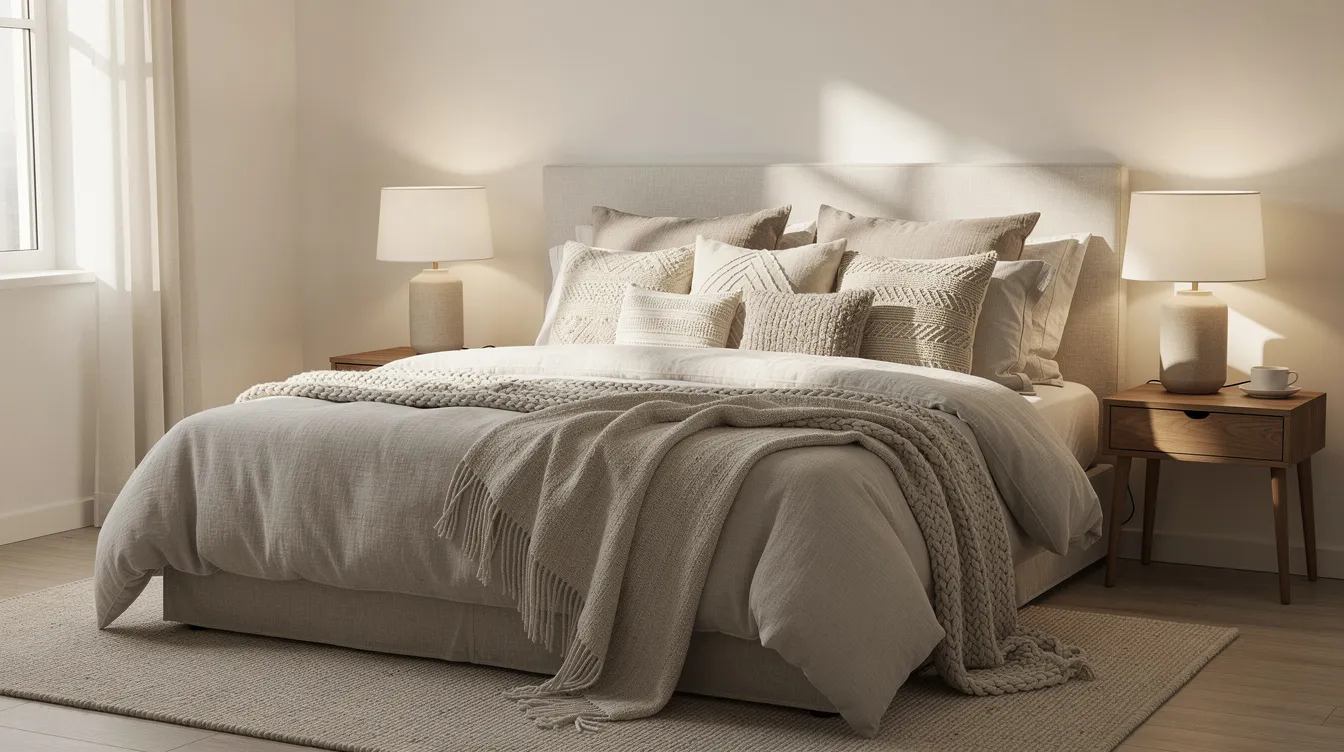
Choose sheets from neutral shades available (white, warm white, oatmeal, charcoal). It will be possible to add seasonal colors using pillowcases or duvet covers. Should you have a very plain room design, an elaborate sheet set could be considered as well – a risk-free addition, because replacing bed sheets is like changing the clothes of your bed, not the entire room interior.
How many sets do you need?
Maintain a minimum of two queen-size sheets per bed; one is used, while the other is kept in pristine condition and stored away in your linen cupboard. For households that do laundry weekly or have kids, it is recommended to have three queen-size sheet sets so you can rotate them comfortably without being rushed on laundry day.
Caring for Your Queen-Size Sheets
This is the secret of longevity: sheets that last one year versus sheets that retain their softness for five years. No matter what type of fabric you choose, there are a few things that will help ensure your queen-size sheets always look good.
Washing frequency
It is recommended that adults wash once or twice per week. If you live in a hot environment or have any allergies or skin conditions, wash more frequently, or at least once a week.
Washing guidelines
- Use cool to warm water. Hot water can fade colors and weaken fibers – especially in bamboo, viscose, and delicate cottons.
- Use a mild detergent. Skip fabric softener, particularly with bamboo and TENCEL™, as it coats fibers and interferes with moisture-wicking.
- Do not use chlorine bleach on colored materials. Oxygen bleaches are preferable for whitening fabrics.
Separate sheets from other fabrics such as towels and clothes when washing to decrease friction and pilling.
Drying advice
- Tumble dry using low to moderate heat settings. High heat will cause cotton to shrink, destroy the elasticity at the cornered edges of fitted sheets, and ruin the bamboo viscose material.
* Sheets should be removed as early as possible to prevent creasing.
* It is advisable to air dry wherever possible because it improves longevity.
Stain Removal
Stains should be dealt with as fast as possible because once they settle in, they become difficult to remove. They can be treated by spot cleaning using mild soap or baking soda. Do not rub dyed and textured prints harshly; always test the stain remover before application.
Storage
Keep your sheets until they have dried thoroughly, since any dampness may cause mildew growth. Store sheets in a dry, cool place, away from direct sunlight, to prevent fading. Sheets are often stored by placing them in the fitted sheet.
FAQ
How many queen-size sheet sets should I have per bed?
For many families, two sets would be enough, with one in use while the other is being washed. Having three sets will provide more flexibility for those with kids, pets, or guests who rotate in and out often. More sets ensure your bed sheets last longer before they wear out.
Can I use queen sheets on a full or king-size mattress?
No. Queen bed sheets are designed for a 60″ × 80″ mattress. A full mattress (54″ × 75″) is narrower and shorter, so queen sheets will bunch and look sloppy. A king mattress (76″ × 80″) is significantly wider – the fitted sheet simply won’t stretch to the corners, and you’ll be unable to keep it on. Always match the sheet size to your specific mattress.
What is the difference between Olympic queen and queen sheets?
The Olympic queen bed size is around 66” x 80” – roughly 6 inches more than the regular queen size. The regular queen-size bedding sheets would not be sufficient for this additional six inches, hence regular fitted sheets will not fit or hold in place. Sheets specifically designed for an Olympic queen-size bed should be used.
Are higher-thread-count queen sheets always better?
That’s not necessarily true. The thread count can indicate quality up to around 400-600, depending on the weave. After that point, exaggerated thread counts like 800, 1000, or even 1500 are usually expressed as ply counts in multi-ply yarns, making the fabric denser, heavier, and less durable. Fibers, fiber length, and weave are better indicators of quality. A well-crafted percale at 250 TC will always beat a poor-quality sheet of 1000 TC.
How do I stop my queen fitted sheet from slipping off the mattress?
First, measure the height of your mattress, including any topper. Select sheets whose pocket depth is at least 2-3 inches greater than your mattress thickness. Ensure that you purchase sheets that are “fully elasticized” and have elastic along the whole periphery, not only the corners. For particularly tall mattresses, consider purchasing either sheet straps or clip-on grippers. This way, you can quickly solve any problem with your mattress fitting.
My recommendation:
 gwagner007-txivo